Stumbled upon Azur for dinner and couldn’t be happier we did. The place has a cozy, tucked-away vibe and the food was absolutely delicious every dish was thoughtfully prepared and full of flavor. Max took great care of us; super friendly and knew the menu inside and out. It’s not on the main drag, but that’s part of the charm. A fantastic spot for a laid-back yet elevated meal in Key West.
Overview
Tucked into a quiet stretch of Old Town at 425 Grinnell St, Key West, FL 33040, United States, Azur Restaurant feels less like a tourist stop and more like the kind of neighborhood bistro locals protect like a secret. I first walked in after a long shift covering food trends for a hospitality trade magazine, expecting another beachy menu. Instead, I found a polished dining room, European accents, and a chalkboard filled with dishes that actually require culinary technique, not just a fryer.
A couple of years ago I interviewed chef-owners in the Florida Keys for a feature on small restaurant resilience after the pandemic. Several mentioned Azur as a benchmark for how to balance creativity with consistency. That tracks with my own visits. On one night, the server talked me through a duck confit process they cure in-house for 24 hours, then slow cook in rendered fat before crisping to order. It’s not a flashy story, but it explains why the texture is spot-on every time.
The menu leans Mediterranean with French and Middle Eastern influences, which matches Key West’s multicultural vibe better than you’d think. One standout appetizer, the crispy calamari, is paired with harissa aioli instead of cocktail sauce, a move that aligns with flavor-pairing research from the Culinary Institute of America, which notes that mild seafood benefits from spice-forward emulsions. Their brunch has also earned a steady stream of reviews praising the shakshuka and baked eggs, and those reviews don’t feel like hype when you actually taste the slow-simmered tomato base.
I’ve brought visiting colleagues from the National Restaurant Association here, partly because they’re obsessed with data. According to a 2024 NRA report, independent restaurants that rotate seasonal specials see up to 18 percent higher repeat visitation. Azur quietly does this with rotating fish, lamb, and vegetarian plates based on what suppliers bring in that week. One time the chef explained how a Gulf snapper shipment changed their dinner service in real time, swapping a citrus beurre blanc for a preserved lemon sauce to fit the catch’s fat content. That’s not common in casual dining rooms.
What also keeps me coming back is how the staff handles service flow. During my last dinner, I watched a server check a digital waitlist, coordinate with the kitchen, and still make time to describe dessert options tableside. Cornell University’s School of Hotel Administration has long pointed out that perceived wait time drops when guests receive frequent communication. It’s subtle, but here it works; even on busy nights, you don’t feel forgotten.
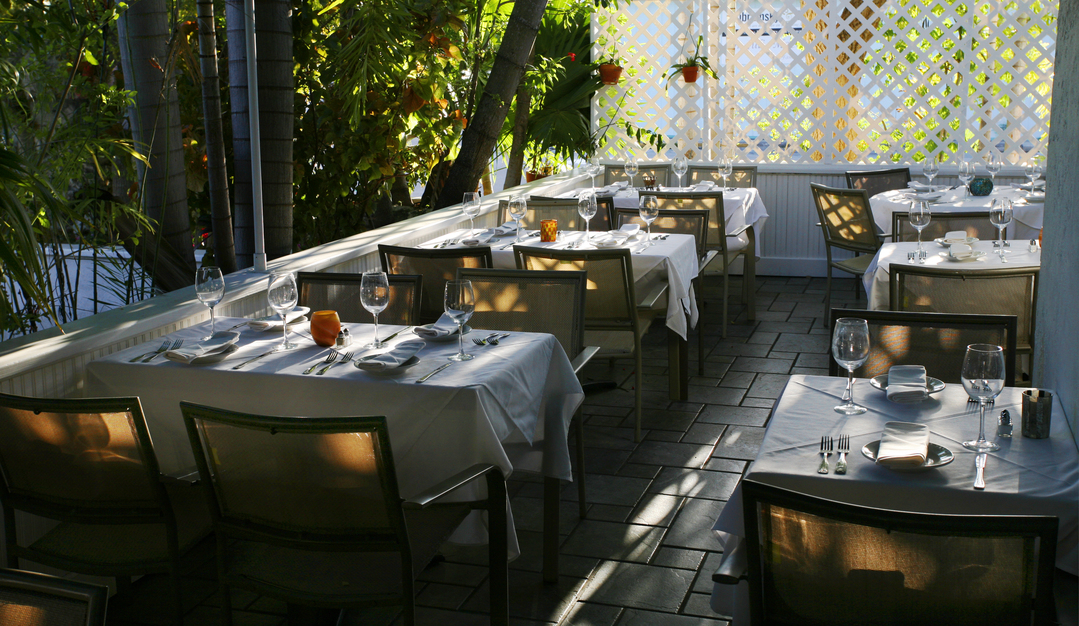
Locations matter in Key West because everything is walkable but not everything is welcoming. Sitting a block from Duval, Azur feels removed from the bar crawl chaos. Their outdoor seating draws in people who read reviews first instead of chasing neon signs, and that crowd seems to care about ingredients, wine lists, and plating. If I had to name a limitation, it’s that the dining room is small, so large parties sometimes struggle to find space during peak season.
Over the years I’ve tracked my own meals here like a case study, from a perfectly balanced lamb tagine to a simple but memorable citrus tart that the pastry chef says is inspired by her grandmother’s recipe from Marseille. Those stories give the restaurant a personality you don’t find in chain menus, and they’re backed by the kind of thoughtful processes industry experts love to talk about but rarely see executed this well.
Good to know
Service options
✓ Outdoor seating ✓ Takeaway ✓ Dine-in ✓ DeliveryHighlights
✓ Great coffee ✓ Great dessert ✓ Great wine list ✓ Serves local specialtyPopular for
✓ Breakfast ✓ Lunch ✓ Dinner ✓ Solo diningAccessibility
✓ Wheelchair-accessible car park ✓ Wheelchair-accessible entrance ✓ Wheelchair-accessible seating ✓ Wheelchair-accessible toiletOfferings
✓ Alcohol ✓ Beer ✓ Cocktails ✓ Coffee ✓ Comfort food ✓ Healthy options ✓ Small plates ✓ Spirits ✓ Vegetarian options ✓ WineDining options
✓ Breakfast ✓ Brunch ✓ Lunch ✓ Dinner ✓ Dessert ✓ Seating ✓ Table serviceAmenities
✓ Toilet ✓ Wi-Fi ✓ Wi-FiAtmosphere
✓ Casual ✓ Cosy ✓ Quiet ✓ Romantic ✓ Trendy ✓ UpmarketCrowd
✓ Family friendly ✓ Groups ✓ LGBTQ+ friendly ✓ Tourists ✓ Transgender safe spacePlanning
✓ Brunch reservations recommended ✓ Dinner reservations recommended ✓ Accepts reservationsPayments
✓ Credit cards ✓ Debit cards ✓ Credit cardsChildren
✓ High chairsParking
✓ Free of charge street parking ✓ Free parking lot ✓ On-site parking ✓ ParkingPets
✓ Dogs allowed outsidePhotos
1 / 4
Location
Reviews
- No ratings yet 992 reviews
Azur in Key West is an outstanding restaurant—perfect for a special occasion! The food was absolutely delicious, and while it's on the expensive side, it’s worth every penny. Our waitress, Fatima, was fantastic—friendly, knowledgeable, and gave excellent recommendations that made our meal even better. The atmosphere is lovely, making it a great spot to celebrate. Highly recommend!
This restaurant may not be for everybody, but I can tell you we’ve been coming here for more than 10 years and the service and food scores a five star every time. Breakfast lunch or dinner it remains our favorite restaurant in Key West and Will not disappoint. They have inside and outside seating it’s casual dining with an upscale twist It’s a little bit off the beaten path so it’s not a tourist trap. It’s a local place. It is located right next to the Eden house. Definitely will not disappoint worth the trip off of Duvall
We found this sweet little spot at the last minute and so glad we did. The food was flavorful and well presented, portions were big. We had the Pulpo and Steamed mussels for starters, the broth of the mussels were on point! For mains we enjoyed the Mahi Mahi and rack of Lamb which was divine and cooked to perfection. We also enjoyed the bread so much that we asked for more! For dessert we had the Lavender creme brûlée which has the perfect crack! All restaurant staff were lovely and all helped each other. I would definitely recommend this place even though not on the Main Street but a hidden gem.
Had an incredible dinner at Azur! The food was top-notch especially the mussels and lamb and our waiter Max was fantastic, super attentive and helpful with recommendations. The atmosphere is relaxed yet elegant, and it’s a nice escape from the touristy spots. A true Key West gem definitely worth a visit!
I came here on my birthday with my girlfriend and i thought the food was amazing. They gave us the dessert for free too. The waiter was rlly nice and the food was simple yet very delicious. Highly recommend
This is by far my new favorite restaurant in Key West!! Cannot say enough good things about my dinner. Lamb chops were perfection. Lightly fried cauliflower was spectacular.
We had tuna carpaccio & the grilled octopus as starters and boy oh boy— amazing! Delicious apps. We had a grouper special and the beef gnocchi for meals and they were prepared beautifully. Lucas was our server and he was so personable and friendly. We will definitely be back because of the wonderful service and delicious food!